
Thirty-three years of seeing where technology becomes growth.
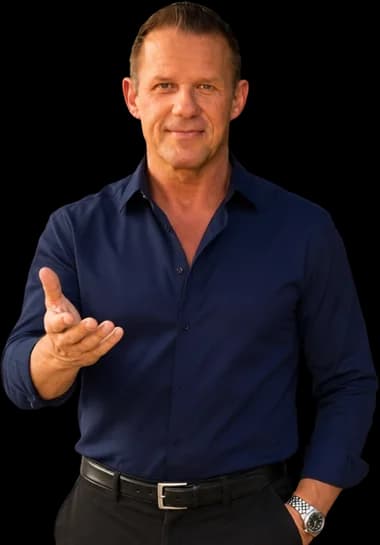
I am Wolf Krammel, founder of Future Growth Now. I work across the digital and operational systems that shape how businesses attract customers, make sales, deliver value, and grow.
Practical
experience
real-world
growth
Different businesses.
A common opportunity.
Breadth is a diagnostic advantage.
Across digital, e-commerce, customer experience, sales, operations, data, and automation, I have seen how the pieces fit together. That breadth helps me recognise what is possible and design a path to get there.
Seeing the whole path is what makes the diagnosis quick.
The opportunity decides what I build.
I do not start with a favourite service. I start with your biggest opportunity, then bring together the right capabilities to make it real.
opportunity
The build follows the opportunity, never the reverse.
A consistent approach to a more valuable business.
Revenue before technology
I focus on commercial outcomes first, and use technology to make them happen.
One opportunity at a time
I concentrate on the opportunity with the greatest potential, rather than trying to do everything at once.
Build, measure, and transfer
I build practical solutions, measure what matters, and transfer knowledge so your team can run and grow it.
Client ownership
You own the systems, the data, and the relationships. I build in your business, for your business.
The work has one owner and more than one specialist.
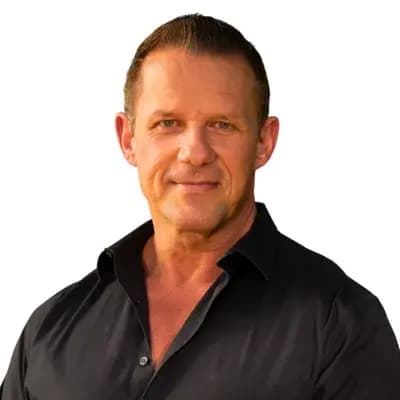
I lead the commercial diagnosis and stay personally involved from opportunity to handover. Around that, I bring together trusted specialists and proven capability to design, build, and implement the right solution for your business.
- Commercial diagnosis
- Strategy and direction
- Ongoing accountability
One opportunity. The right people. Real progress.
Experience with the label still attached.
My perspective is grounded in real-world experience across different businesses and business models, in both B2B and B2C environments. Each kind of evidence establishes something different, so the label stays attached to it.
Historical experience
Long-term, hands-on involvement across different business models, described as what it was rather than relabelled as a current AI engagement.
Demonstrated live
Solutions designed and implemented in real business environments, where you can see what the demonstration establishes.
Client reported
Feedback from business owners and internal stakeholders, in their words and published with their permission.
Measured result
Clear outcomes tracked and reviewed against the original objectives, with the baseline and its limits visible.
Built in your business.Owned by your business.Ready for your team to run.
I do not just deliver a solution. I make sure your team can operate, grow, and evolve it.
Practical, easy to follow documentation.
Hands-on training for your team.
Handover with confidence. You own it.
A solid foundation for continued growth.
Straight answers to common questions.
What is Wolf's role in a project?
Wolf leads the commercial diagnosis and stays connected to the direction, the build, and the handover. The engagement is not passed to an account manager after the first conversation.
Do you work with external specialists?
Yes. I bring in the specialist capability the selected outcome requires rather than presenting a fictional standing team. Who is involved is clear before work begins.
Will we own the systems and data?
The capability is built for your business and transferred to your team. Ownership, accounts, documentation, responsibilities, and any third-party licenses are defined in the engagement before work begins.
How do you work with our existing team?
I design around the people who will actually operate the capability, and identify a clear internal owner at the start. A system nobody owns does not survive the first busy week.
What types of businesses do you work with?
Established, owner-led businesses with a proven offer, active customers, and enough activity to benefit from a connected commercial system, in any industry. The sector pages cover B2B and technology, e-commerce, professional services, health and medical practices, and franchise networks, but the same approach works well beyond them.
Let's find the next opportunity worth building.
A more valuable business starts with a conversation.